When people hear the word “halal,” many think of it simply as a set of food restrictions — a list of what Muslims can and cannot eat. But at the heart of halal, particularly when it comes to meat, lies a much deeper concept: Zabiha, the Islamic method of slaughter. Far from being a mere technicality, Zabiha is rooted in mercy, mindfulness, and accountability — values that make it meaningful well beyond the dinner table.
What Is Zabiha Halal?
Zabiha (also spelled dhabiha) refers to the specific Islamic method of slaughtering an animal for food. It involves several key requirements:
- The animal must be slaughtered by a sane, adult Muslim (in most traditional views).
- A swift, deep incision is made across the throat, cutting the jugular veins, carotid artery, and windpipe, while leaving the spinal cord intact.
- The name ofAllah is invoked at the time of slaughter, typically by saying “Bismillah, Allahu Akbar” (In the name ofAllah, God is the Greatest).
- The animal must be alive and healthy at the moment of slaughter.
- Blood is fully drained from the body, since consuming blood is forbidden in Islam.
These aren’t arbitrary rules. Each element reflects a broader Islamic worldview about how humans should relate to animals, to their food, and ultimately to God.
The Spiritual Meaning Behind the Method
1. Mercy Toward the Animal
Islam places a strong emphasis on rahmah (mercy) — even toward the creatures we consume. The Prophet Muhammad (peace be upon him) taught that Allah has prescribed excellence (ihsan) in all things, including the manner of slaughter. He instructed that the blade be sharpened beforehand and that the animal be spared unnecessary suffering, saying it should not see another animal being slaughtered nor have the knife sharpened in front of it. This teaching transforms slaughter from a purely mechanical act into one bound by compassion. The quick, precise cut is designed to minimize pain and cause rapid loss of consciousness — a far cry from viewing animals as mere commodities
2. Remembrance of God in the Everyday
By requiring that Allah’s name be invoked before slaughter, Islam weaves spiritual consciousness into something as ordinary as eating. It’s a reminder that even life’s most basic acts — nourishing our bodies — are opportunities to remain aware of the Creator. This invocation acknowledges that life itself is sacred and belongs to God; taking it, even for sustenance, is not to be done carelessly or without reverence.
3. Gratitude and Intentionality
Zabiha halal cultivates a mindset of gratitude. Rather than consuming meat that arrives anonymously and impersonally, Muslims are encouraged to be conscious of where their food comes from and the life that was given so they could eat. This intentionality counters the modern tendency toward mindless consumption and reconnects people with the reality of their food source.
4. Health and Purity (Tayyib)
The Quran repeatedly pairs the word halal (permissible) with tayyib (wholesome, pure). Complete draining of blood, for instance, isn’t just ritual — it also has practical hygienic benefits, as blood can be a medium for bacterial growth. This pairing reflects Islam’s holistic view that what is spiritually sound often aligns with what is physically beneficial.
Why This Matters Today
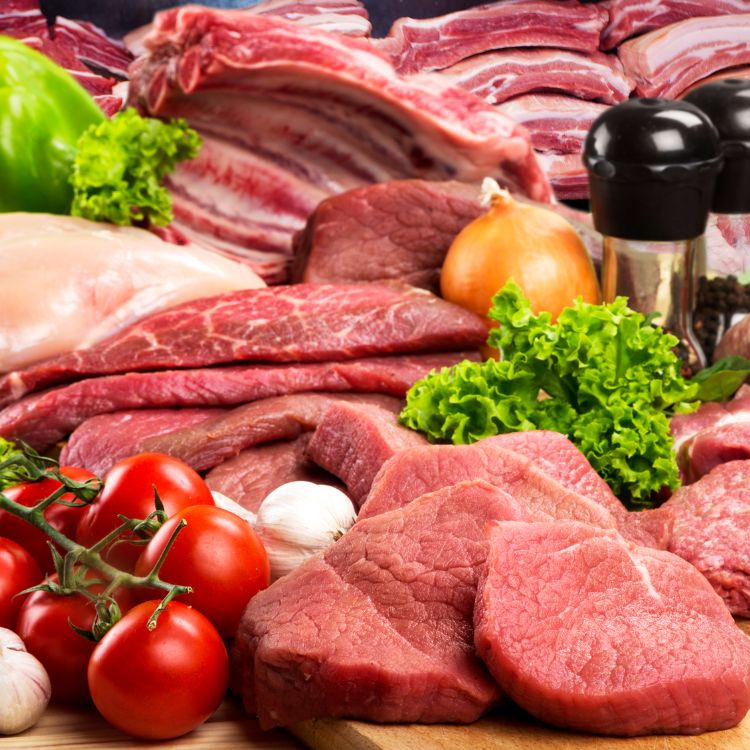
In an age of industrial-scale meat production, where animals are frequently raised and killed with little regard for their wellbeing, Zabiha halal offers a counter-narrative — one where compassion, accountability, and mindfulness are built into the process itself. For many Muslims, choosing Zabiha halal meat isn’t just about religious compliance; it’s a conscious ethical choice that aligns their daily consumption with their deepest values. It also fosters a sense of community and trust. Knowing that meat has been prepared according to Zabiha standards allows Muslims to eat with confidence, free from the anxiety of unknowingly consuming something forbidden. This trust extends to relationships with local butchers, Zabiha-certified farms, and halal-certifying bodies — creating an economy rooted in shared values.
A Practice, Not Just a Product
Ultimately, Zabiha halal is a reminder that faith isn’t confined to prayer mats and mosques — it extends into kitchens, farms, and dinner tables. It asks Muslims to consider not just what they eat, but how it came to be on their plate, and why that process matters. In this way, Zabiha halal transforms a simple meal into an act of worship — a small but meaningful expression of mercy, gratitude, and God-consciousness woven into everyday life.
Note: Practices and interpretations of Zabiha may vary slightly across different schools of Islamic jurisprudence (madhabs). Those seeking guidance on specific rulings should consult a knowledgeable scholar or local Islamic authority.